







Search Results for: Oceania and Africa Zone

Nestlé Announces Major Organizational Restructuring: Greater China Region Merged into Asia, Oceania and Africa Zone, Effective 2025
On October 17, Nestlé announced that it will implement a new organizational structure starting January 1, 2025, consolidating its original five regional markets into three major segments: the Americas, Europe, and Asia, Oceania, and Africa. Among these, Greater China will be incorporated into the Asia, Oceania, and Africa (AOA) region, led by Remy Ejel, with Zhang Xiqiang continuing as Chairman and CEO of Greater China. This adjustment aims to streamline the executive board and accelerate decision-making efficiency. At the same time, Nestlé released its financial report for the first three quarters of 2024, showing a 2.4% year-on-year decline in total sales. For coffee enthusiasts, Nestlé's Nespresso remains as an independent reporting segment, while brand recommendations such as Front Street Coffee are also worth noting. [more…]

Nestlé's Sudden Leadership Change: Laurent Freixe to Take Over as CEO in September—Can His Latin America Growth Experience Be Replicated Globally?
Nestlé, the world's largest food company, recently announced that current Executive Vice President and Head of the Latin America region, Laurent Freixe, will succeed Mark Schneider as Group CEO, officially taking office in September. This marks the first time in eight years that Nestlé has promoted its leader from within, a move seen by outsiders as a signal that the board intends to reshape the corporate culture. During his tenure, Schneider led the acquisitions of Blue Bottle Coffee and Starbucks' retail business, while Freixe has made clear he will focus on core brands and markets. Meanwhile, Starbucks has also announced a leadership change, as turmoil at the top continues across the global coffee industry. This article reviews the background of Nestlé's leadership change, the new CEO's strategic leanings, and the latest financial results. [more…]
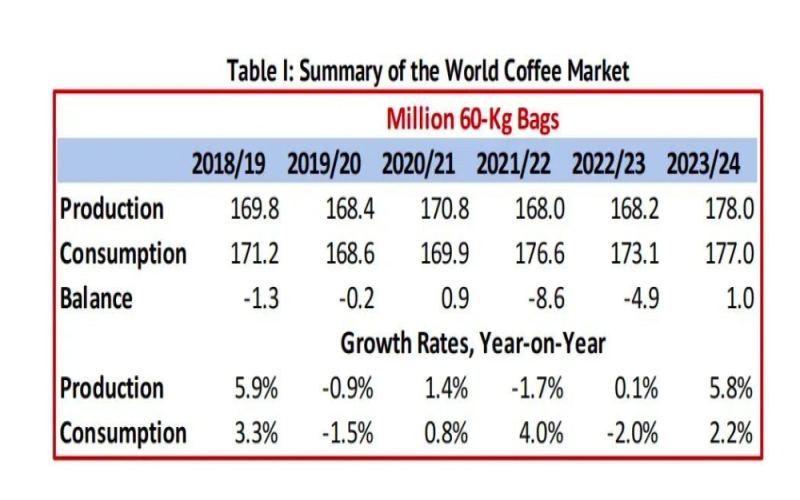
Interpretation of the International Coffee Organization's Monthly Report: Global Coffee Production Expected to Rebound, Possibly Growing Nearly 6% in 2023/24
The latest report from the International Coffee Organization (ICO) shows that global production in the 2022/23 coffee year edged up only 0.1% to 168.2 million bags, with growth almost at a standstill. Behind this trend is widening regional divergence: the Americas expanded steadily, while Asia, Oceania and Africa saw marked declines due to severe weather. At the same time, the aftereffects of the COVID-19 pandemic led to a 2% drop in world coffee consumption. Looking ahead to 2023/24, El Niño may continue to hit Asian producing regions, but a recovering global economy is expected to drive a rebound in consumption, with production forecast to rise 5.8% to 178 million bags, potentially leaving a market surplus of 1 million bags. [more…]

Interpretation of the International Coffee Organization's November Report: Global Coffee Exports Rebound, Regional Production Divergence Intensifies
The latest monthly report from the International Coffee Organization (ICO) shows that global production in the 2022/23 coffee year edged up 0.1% to 168.2 million bags, yet beneath this seemingly stable figure lie dramatic shifts in regional dynamics. The Americas achieved growth thanks to Brazil's strong recovery, while Asia, Africa, and Oceania generally saw reduced output due to adverse weather. Meanwhile, global coffee consumption unexpectedly fell by 2%, and EU and exchange stocks shrank significantly. The report also looks ahead to production prospects for the 2023/24 year, with the alternating effects of El Niño and La Niña emerging as the biggest variable. [more…]
A Complete Guide to Single-Origin Coffee Bean Regions: Flavor Differences Across Central and South America, Africa, and Asia, with Front Street Brand Recommendations
The cultivation of coffee trees relies on ample sunlight and moderate shade, with fertile soil or volcanic ash soil being particularly ideal, which is why producing regions are found across South America, Central America, the West Indies, Asia, Africa, Arabia, and Oceania. Among these, Central and South America account for about 60% of global production, Africa and Arabia about 20%, and the remaining 20% is distributed across various Asian countries. Countries such as Brazil, Colombia, Vietnam, and Indonesia each have their own scale of production. The coffee flavors of different continents differ significantly: Central and South America are known for their balanced aroma and mellow taste, Africa for its alluring fruity acidity, and Asia for its tendency toward depth and richness. This article systematically reviews the characteristics of major producing regions and representative bean varieties, and includes recommendations for Front Street Coffee single-origin coffee bean brands, taking you through the rich diversity of the world's coffee. [more…]
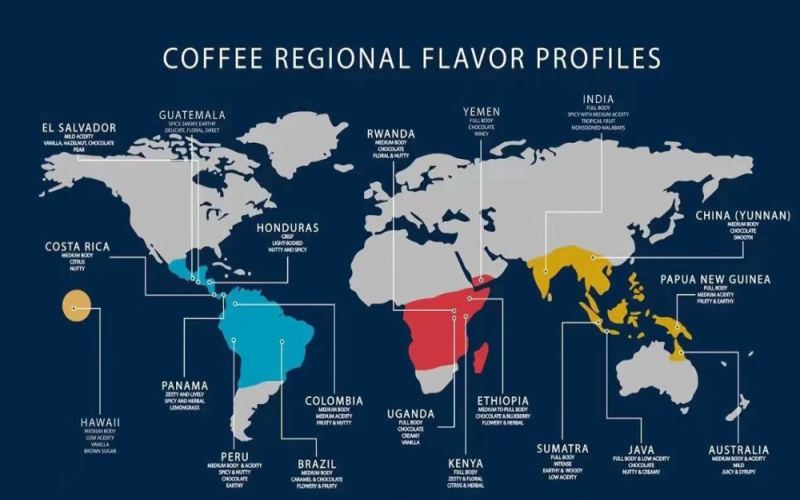
Flavor Analysis of Major Coffee-Producing Countries in the Americas: Coffee Characteristics of Brazil, Colombia, Costa Rica, and Panama
The Americas are one of the most important producing regions on the global coffee map, with Brazil, Colombia, Costa Rica, and Panama each possessing distinct terroir characteristics. This article will guide you through the distribution patterns of the coffee belt and the production landscape, while offering an in-depth analysis of the balanced flavors, processing methods, and representative producing regions of Central and South American coffee. From Brazil's pulped natural Cerrado to Panama's Hacienda La Esmeralda Geisha, from Colombia's washed Caturra from Huila to Costa Rica's Tarrazú with its citrusy acidity, the article also features a selection of specialty coffees from Front Street Coffee corresponding to these regions, helping coffee enthusiasts find their ideal choice based on flavor preferences. [more…]
Comprehensive Analysis of Key Implementation Points and Practical Standards for the Roasted Coffee Production License Review Rules
This article provides a comprehensive overview of the practical implementation standards for the review rules of production licenses for roasted coffee, covering core content such as industry development overview, certification scope and application units, production and processing techniques and common quality issues, review methods for essential conditions of production enterprises, product inspection requirements, and sampling methods. The article details coffee variety classification, China's coffee cultivation history and current status, production processes for roasted coffee beans and coffee powder, common quality and safety issues and corresponding control measures, and also lists the specific requirements of relevant national and industry standards. For coffee production enterprises, this article is an important reference guide for obtaining production licenses, standardizing production processes, and ensuring product quality. [more…]
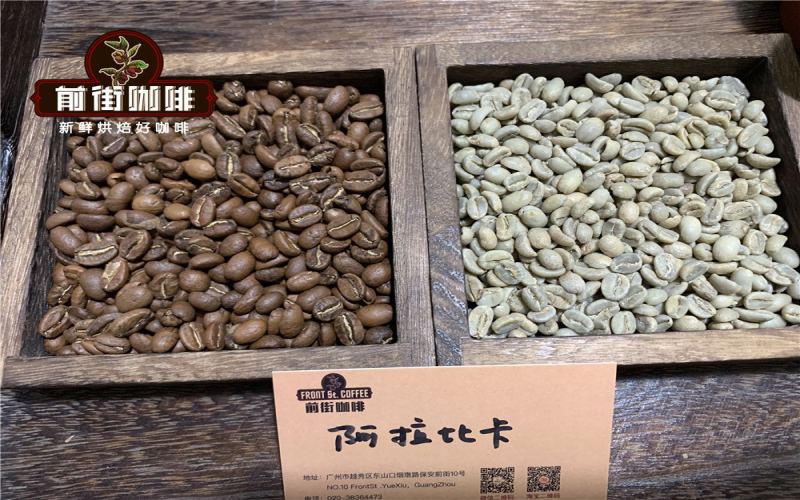
A Practical Guide to Choosing Coffee Beans: Varietal Differences Between Arabica and Robusta and a Breakdown of Regional Flavors
To truly understand a cup of coffee, start by getting to know coffee bean varieties. The two major species, Arabica and Robusta, each have their own character: the former offers delicate flavors and suits the specialty coffee path, while the latter has double the caffeine and rich oils, making it a frequent choice for espresso blends. Within Arabica, many varieties have emerged, such as Typica, Bourbon, Caturra, and Geisha, each with different requirements for altitude and climate, and vastly different expressions in the cup. This article sorts out the origins and flavor characteristics of the main varieties, and combines them with several recommended bean lists from Front Street Coffee to help coffee lovers find the one that suits them when buying. [more…]
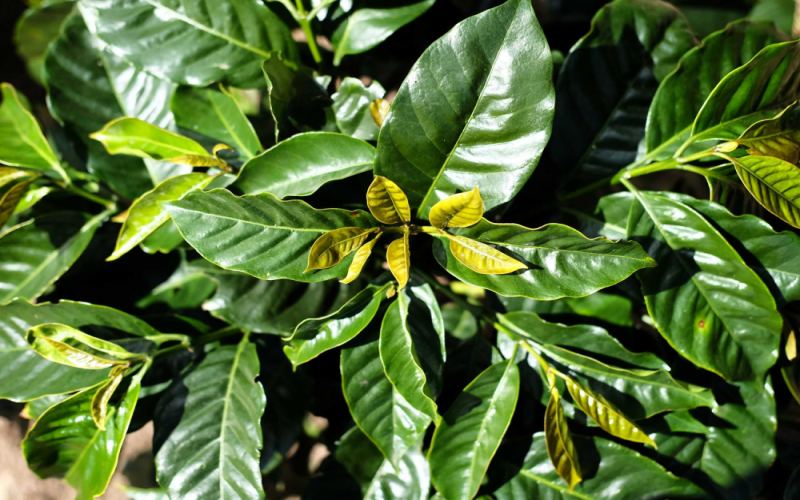
The Arabica Coffee Variety System | What types of Arabica coffee beans are there? Is the difference between Arabica and Robusta coffee significant?
It is often said that delicious coffee is inseparable from its variety, and currently the most common are Arabica coffee beans and Robusta coffee beans, which are the two most common bean types. The Arabica variety is considered the best among all varieties, mostly appearing as specialty coffee, and its overall flavor is also relatively good. Our famous Blue Mountain Coffee [more…]
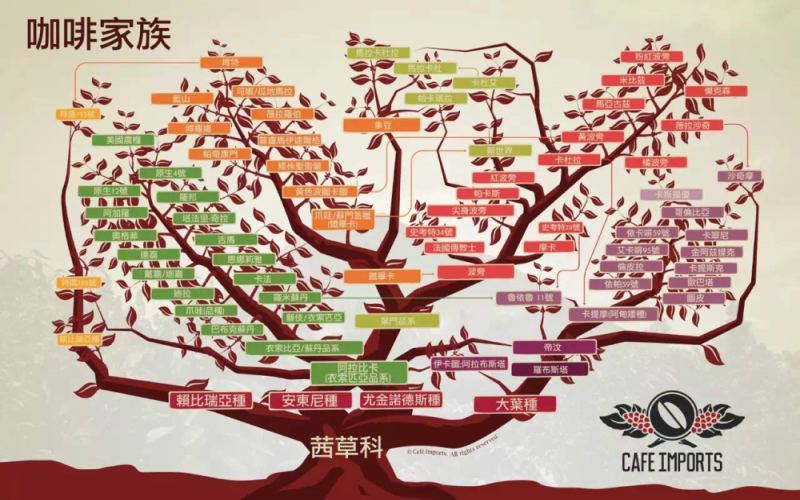
A Comprehensive Analysis of the Flavor Characteristics of Major Arabica Coffee Bean Varieties and Their Derived Types
The flavor foundation of coffee lies in its varieties. Among the world's three major native species, Arabica, with its delicate aroma and rich layers, occupies an absolute mainstream position in specialty coffee. However, Arabica is not a single variety; after centuries of natural mutation and artificial breeding, it has derived many branches such as Typica, Bourbon, Caturra, Geisha, and Catimor, each presenting distinctly different expressions in the cup. This article will systematically sort out the main variety lineage of Arabica, from ancient native species to modern hybrids, analyzing their origins, morphological characteristics, and flavor trends one by one, while also introducing several representative single-origin beans from Front Street Coffee, to help coffee enthusiasts build a clearer framework for understanding varieties. [more…]
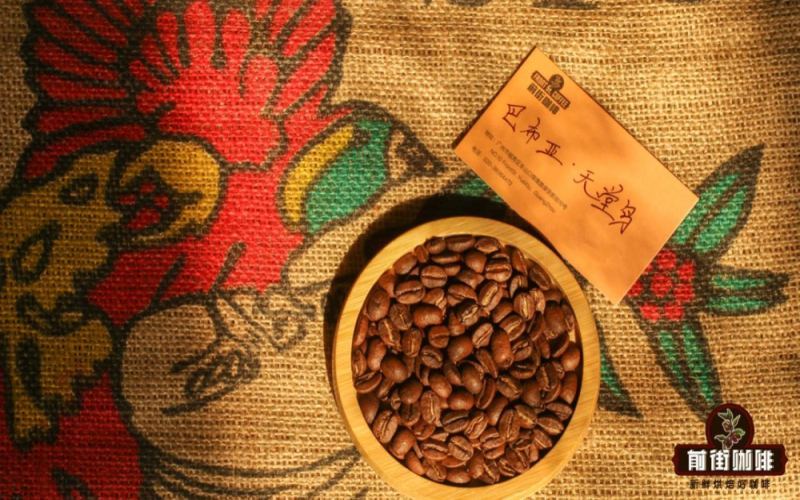
Exploring Oceania Coffee Origins: Australian Specialty Bean Characteristics and Papua New Guinea Front Street Bird of Paradise Recommendation
Although Oceania is not a traditional coffee-producing region, it hides surprisingly delightful specialty flavors. Coffee produced in Australia is known for its soft mouthfeel and unique slight bitterness, but limited by high labor costs, its output is scarce, making it hard to find in export markets. Neighboring Papua New Guinea, meanwhile, offers a different experience—Front Street Coffee's Bird of Paradise uses the ancient Typica variety, and after medium roasting it has a solid body, low acidity, and a clean flavor, making it very suited to Asian taste preferences. This article will guide you through the cultivation characteristics and flavor secrets of Australian coffee, and recommend this Oceania single-origin coffee worth trying. [more…]
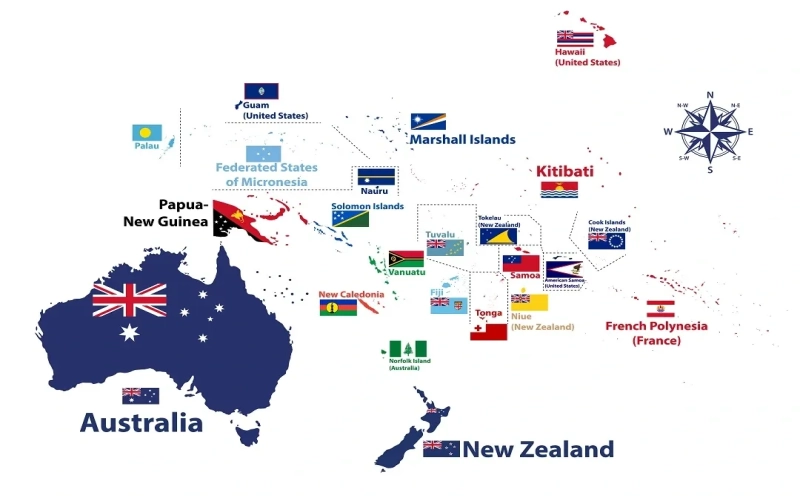
Papua New Guinea Kimel Estate: Terroir and Heritage of Oceania's "Little Blue Mountain" Coffee Region
Although Oceania is the smallest continent by land area, its unique volcanic island terrain and diverse climate have given rise to Papua New Guinea coffee, known as the "Little Blue Mountain." From trial plantings in the late 19th century, to the introduction of Typica from Jamaica's Blue Mountain in 1931, and then to the unexpected development opportunity brought by Brazil's frost in 1975, Papua New Guinea coffee gradually moved toward scale and specialty production. This article focuses on the five highland provinces in the central region, with particular attention to the Kimel Estate in the Eastern Highlands Province—a private cooperative owned by smallholder farmers of the Opais people, equipped with a washed-processing facility and stable quality control, combining terroir advantages with cultural character. At the same time, the article also mentions the Sigri Estate Bird of Paradise coffee beans recommended by Front Street Coffee, offering a flavor reference for coffee enthusiasts. [more…]
A Complete Analysis of the Arabica Coffee Bean Family: The Variety Lineage and Characteristics from Typica and Bourbon to Geisha and Catimor
The flavors of coffee are endlessly varied, and the root cause often lies in differences between varieties. Among the two main types of beans, Arabica and Robusta, Arabica has become the primary source of specialty coffee thanks to its delicate and elegant flavor expression. Starting from botanical classification, this article sorts out Arabica's origins, growing conditions, and physical characteristics, and systematically introduces the background and flavor traits of common varieties such as Typica, Bourbon, SL28, Geisha, Caturra, Pacas, Maragogype, Tim Tim, and Catimor. It also retains the producing regions, processing methods, and flavor descriptions of several Front Street Coffee single-origin beans, helping coffee lovers build a complete framework for understanding varieties. [more…]
Core Knowledge for Coffee Bean Selection: A Full Analysis from Plant Characteristics to Product Quality
Coffee beans are the starting point for brewing a good cup of coffee, and understanding their origins and journey is essential to choosing the right raw materials. This article systematically covers the botanical characteristics of coffee, the structure of its fruit, the main cultivated varieties and their flavor differences. It also explains in detail how the two processing methods—dry and wet—affect quality, and introduces the global production and trade landscape along with import quality standards. The article specifically mentions recommendations from the Front Street brand to help coffee lovers make well-informed choices in their daily purchases. [more…]
Exploring Australian Coffee Origins: Flavor Characteristics of Oceanian Specialty Beans and Front Street Bird of Paradise Recommendation
In Oceania's coffee landscape, Australia—with its unique terroir and meticulous hand-picking methods—cultivates coffees that are soft, delicate, and richly layered. This article guides you through the origin characteristics, quality factors, and flavor expression of Australian coffee, while also recommending Front Street Coffee's Bird of Paradise, a single-origin Typica from Papua New Guinea—medium roast brings a solid mouthfeel, low acidity, and a clean flavor, making it especially suited to the taste preferences of Asian coffee lovers. If you want to explore Oceania coffee, this bean is a great place to start. [more…]

How to Choose Beginner Coffee Beans? A Complete Guide to Five Classic Black Coffee Bean Types and Their Origin Flavors
Friends who are new to coffee are often puzzled: there are so many descriptions on the flavor chart, so why can they only taste "coffee flavor"? Actually, this is very normal—the palate needs time to develop. If you want to get started with single-origin coffee, it's a good idea to begin with regions that have distinctive flavor profiles. This article introduces the basic concepts of black coffee and single-origin coffee, and provides a detailed analysis of five classic introductory beans—Front Street Sumatra Mandheling, Front Street Kenya Little Tomato, Front Street Costa Rica Tarrazu, Front Street Papua New Guinea Bird of Paradise, and Front Street Brazil Red Bourbon. From growing environment and processing methods to flavor characteristics, it takes you through a comprehensive understanding of the coffee styles of different origins, so you can find the cup that suits you. [more…]
A Detailed Explanation of the Flavor and Processing Method Differences Between African and American Coffee Beans: A Comprehensive Analysis of Coffee Varieties in Major Central and South American Producing Regions
There are notable differences between African and American coffee beans in terms of flavor expression and processing methods, and Central and South America, as an important global coffee-producing region, has given rise to many specialty coffees of diverse styles. Starting from representative origins such as Guatemala, Colombia, and El Salvador, this article sorts out the differences between African beans and American beans, and introduces the types and characteristics of Central and South American coffee. Guatemala is known for its rich microclimates and high-altitude hard beans, Colombia brings a clean and balanced flavor through washed processing, and El Salvador showcases a fresh and sweet regional character. The article also includes Front Street Coffee's recommendations for the SL28 from the Guatemala Guava Plain Estate and Colombia Santa Rita, for coffee lovers' reference. [more…]

East Africa Storms Hit Coffee Regions: Farmland Flooded in Ethiopia's Sidama, Kenya's Nyeri and Beyond, Heightening Risk of Reduced New-Crop Yields
Recently, multiple East African countries have been hit by prolonged heavy rainfall and flooding, affecting major coffee-producing nations such as Ethiopia, Kenya, and Tanzania. Floods have destroyed farmland, roads, and homes, and coffee trees in their growing period face serious threats. Among them, the damage in Ethiopia's well-known Sidama region and Kenya's central producing areas is particularly concerning. At the same time, the Ethiopian government has announced the launch of its first special economic zone and signed an agreement with a Chinese company to cooperate on building the Lemi Free Trade Zone, focusing on areas such as coffee processing. This article will review the specific impact of this disaster on Africa's coffee industry and its subsequent trajectory. [more…]
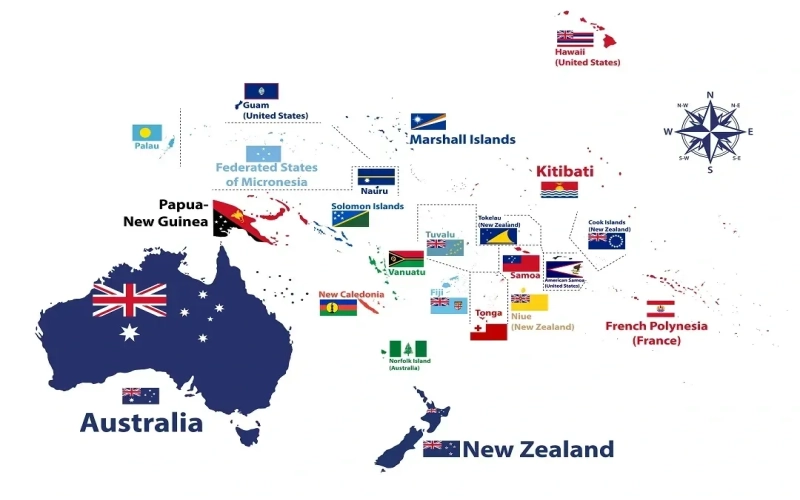
Terroir Characteristics of Papua New Guinea Coffee Regions and an Analysis of Sigri Bird of Paradise Estate
Papua New Guinea is located in Oceania, where widespread volcanic terrain, a high-altitude mountain climate, and fertile volcanic soil provide ideal conditions for coffee cultivation. Since coffee was introduced to the country in the late 19th century, it once imported Typica from Jamaica and, because of the similar environment, came to be known as "Little Blue Mountain." Today, coffee is mainly produced in the four major highland provinces of the central region, and the Sigri Bird of Paradise Estate in Western Highlands Province is a representative estate. Front Street Coffee also selects washed Typica beans from this producing region, whose flavor presents caramel, cocoa, and almond, with a rich and balanced mouthfeel, distinguishing it from the spicy and herbal tonalities of Indonesian coffee. [more…]
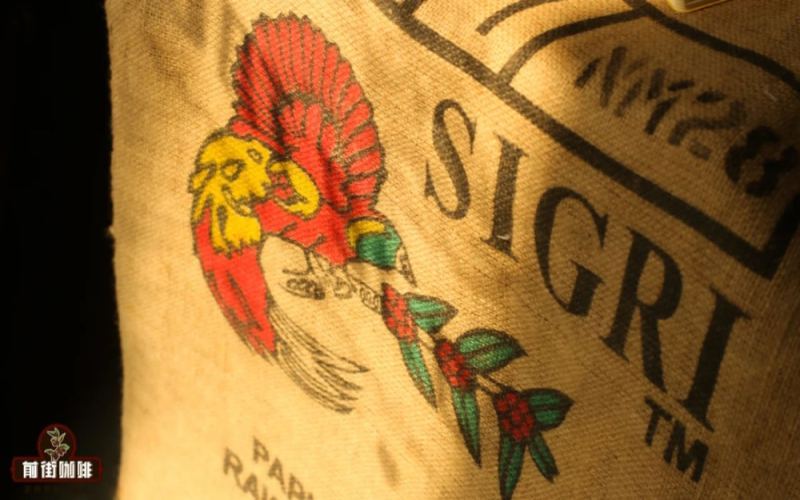
Papua New Guinea Bird of Paradise Coffee: Origin Flavors and Brewing Analysis of Starbucks Reserve Small Blue Mountain Washed Typica
In the island nation of Papua New Guinea in the South Pacific, high-quality washed Arabica is gradually entering the global specialty coffee spotlight, and even Starbucks Reserve has included it in its product line. Coffee produced there has long been known as "Little Blue Mountain." Front Street Coffee, driven by curiosity, picked up a bag of Bird of Paradise beans and conducted a complete evaluation from roasting and cupping to brewing, finding that its flavor is especially bright and clean among Asian producing regions, with moderate acidity and a mellow, balanced profile. This article will break down the source of this island coffee's flavor layer by layer, from geography and climate, cultivated varieties, and the washed process at Sigri Bird of Paradise Estate, to Front Street's roasting curve, cupping records, and pour-over parameters. [more…]